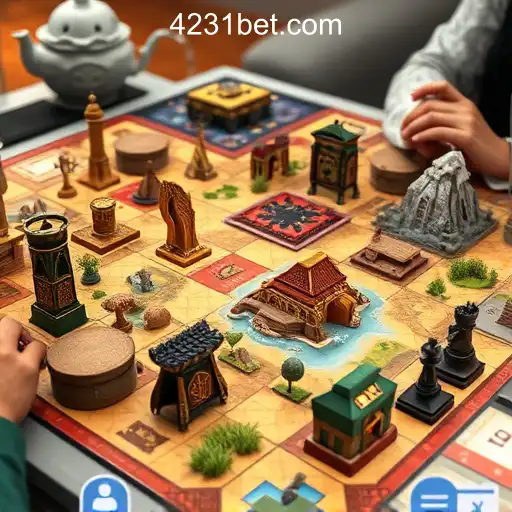
The Evolution of Tabletop Games
Tabletop games have been an integral part of human culture for centuries, evolving from simple board games to complex strategic experiences. As these games continue to grow in popularity worldwide, enthusiasts constantly seek new and engaging formats. One such trend has been the integration of digital elements into traditional tabletop experiences, adding another layer of depth and excitement for players.
From Classics to Modern Innovations
The history of tabletop games is rich with classic examples, such as Chess and Monopoly. These games have stood the test of time, providing players with engaging experiences that stimulate the mind and create memorable social interactions. However, the landscape of tabletop gaming has changed significantly with the advent of modern games that incorporate themes from various genres and cultures.
Modern tabletop games often feature intricate mechanics and expansive narratives that rival video games in terms of complexity. Games like Settlers of Catan and Pandemic have captivated audiences with their strategic depth and replayability. These games are designed to challenge players in unique ways, often encouraging collaboration and thoughtful decision-making.
The Role of Technology in Tabletop Gaming
In recent years, technology has played a crucial role in the development of tabletop games. Digital components, such as mobile apps and online platforms, have introduced new opportunities for gameplay, expanding the reach and accessibility of these games. Platforms like 4132BET.com Oficial Slots Brasil #1 offer digital adaptations of traditional games, allowing players to experience the thrill of tabletop gaming from the comfort of their homes.
Moreover, augmented reality (AR) and virtual reality (VR) technologies are beginning to influence the design of tabletop games. These technologies can immerse players in richly detailed virtual environments, further enhancing the gaming experience. Imagine playing a game where the board comes to life, with characters and landscapes appearing in three-dimensional space. Such innovations promise to revolutionize the way we engage with tabletop games in the future.
The Social Impact of Tabletop Games
The resurgence of tabletop games in recent years can be attributed to their ability to bring people together. In a digital age where screens often mediate social interactions, tabletop games offer a tangible and face-to-face alternative. They encourage players to gather around a table, engage in friendly competition, and share stories and laughter.
This social aspect of tabletop games is particularly important as it fosters a sense of community and belonging. Many players cite the friendships and connections they have formed through gaming as one of the most rewarding aspects of the hobby. Whether it's a weekly game night with friends or participating in local tournaments, tabletop games provide a platform for building lasting relationships.
Tabletop Games as Educational Tools
Beyond entertainment, tabletop games have long been recognized for their educational potential. Many games require players to utilize critical thinking, problem-solving, and communication skills, making them valuable tools for learning. Educational tabletop games have been developed to teach various subjects, from history and geography to mathematics and science.
In educational settings, teachers and educators are increasingly incorporating tabletop games into their curricula to engage students in active learning. Games can serve as effective teaching aids by presenting information in an interactive and captivating manner. Furthermore, the collaborative nature of these games promotes teamwork and enhances social skills among students.
The Future of Tabletop Gaming
The future of tabletop gaming is bright, with new and exciting developments on the horizon. As designers continue to push the boundaries of traditional gameplay, players can expect to see increasingly innovative games that blend elements from various media. The integration of technology, storytelling, and immersive experiences promises to redefine what tabletop games can be.
Moreover, the growing popularity of tabletop games means that new audiences are being introduced to the hobby. Game designers are creating inclusive experiences that cater to diverse player demographics, ensuring that there is something for everyone. Community-driven platforms and crowdfunding sites have democratized the creation process, allowing independent designers to bring their unique visions to life.
In conclusion, tabletop games have come a long way from their humble beginnings. With a perfect blend of tradition and innovation, they continue to captivate audiences around the world. Whether you are a seasoned strategist or a casual player, the world of tabletop gaming offers endless opportunities for exploration and enjoyment.